
PTSD & Trauma Therapy in Bedford and Online Across the UK
Explore tailored support options designed to promote emotional healing and resilience for trauma survivors.

Person-Centred Therapy
Focused on your unique experiences, this approach nurtures healing through empathy and understanding.

Trauma‑Informed Therapy
Applies an understanding of trauma’s psychological and physiological effects to ensure safe, collaborative treatment.

Somatic Trauma Therapy
Helps people process unresolved stress and trauma by gently reconnecting them with the sensations, movements, and signals of their body.
Trauma can leave lasting emotional, psychological, and physical effects. My PTSD and trauma therapy service offers a safe, structured, and trauma‑informed space to help you understand your symptoms, regulate your nervous system, and rebuild a sense of safety and connection. I work with clients in Bedford, surrounding areas, and online across the UK.
What Is Trauma and PTSD?
Trauma is not defined by the event itself, but by how the nervous system experiences and stores it. When an experience overwhelms your ability to cope, the body may shift into survival states—fight, flight, freeze, or collapse. These patterns can become “stuck,” leading to symptoms such as:
- Hypervigilance or feeling constantly on edge
- Flashbacks or intrusive memories
- Emotional numbness or disconnection
- Sleep difficulties
- Avoidance of reminders
- Shame, self‑blame, or low self‑worth
- Physical symptoms such as tension, pain, or digestive issues
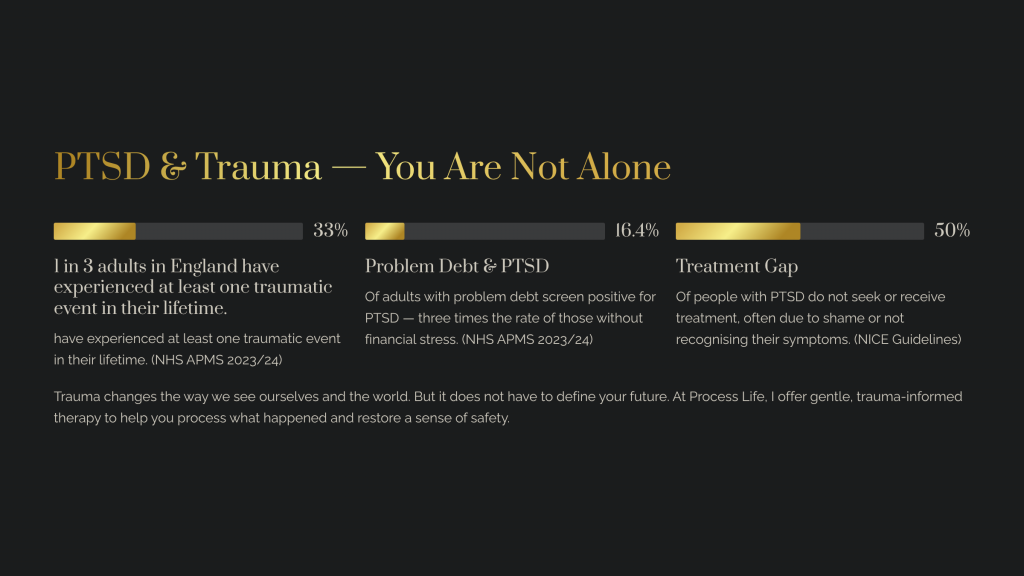
PTSD and complex PTSD develop when these reactions persist and begin to affect daily life. With the right support, the nervous system can learn to regulate again, and the mind can integrate what once felt overwhelming.
If anxiety or depression also play a role in how trauma affects you, my Anxiety & Depression Page explores how we can work with these emotions alongside trauma recovery.

A Holistic Mind–Body Approach to Trauma Therapy
My approach integrates bottom‑up somatic therapy with top‑down psychological therapy, creating a comprehensive and effective pathway for trauma recovery.
If you’d like to understand more about how trauma recovery unfolds and how the nervous system stabilises over time, you may find my page on trauma recovery and stabilisation helpful.
Here you can also read my step-by-step guide on how trauma therapy works.
Bottom‑Up Somatic Trauma Therapy
Somatic trauma therapy works directly with the body, where trauma is often stored. This approach helps you:
- Understand and track bodily sensations
- Release survival responses and chronic tension
- Rebuild a sense of safety in your body
- Strengthen grounding and emotional regulation
- Restore connection, presence, and agency
Somatic work is gentle, paced, and collaborative. You remain in control at all times, and we move at a speed that feels safe for your system.
Top‑Down Trauma‑Informed Psychological Therapy
Alongside somatic work, I use trauma‑informed psychological therapy to support emotional and cognitive integration. This includes:
- Understanding how trauma shapes beliefs and identity
- Processing memories safely and gradually
- Reducing shame and self‑blame
- Strengthening emotional awareness
- Developing healthier coping strategies
- Building resilience and self‑compassion
This top‑down work helps you make sense of your experiences and reshape the narratives that trauma may have created.
Why Combine Somatic and Trauma‑Informed Therapy?
Trauma affects the whole system—mind, body, and emotions. Working from only one direction can leave important layers untouched.
A combined approach allows you to:
- Feel safer and more regulated before exploring difficult material
- Understand your symptoms through a nervous‑system lens
- Build resilience in the body while reshaping beliefs in the mind
- Heal both the story and the physiological imprint of trauma
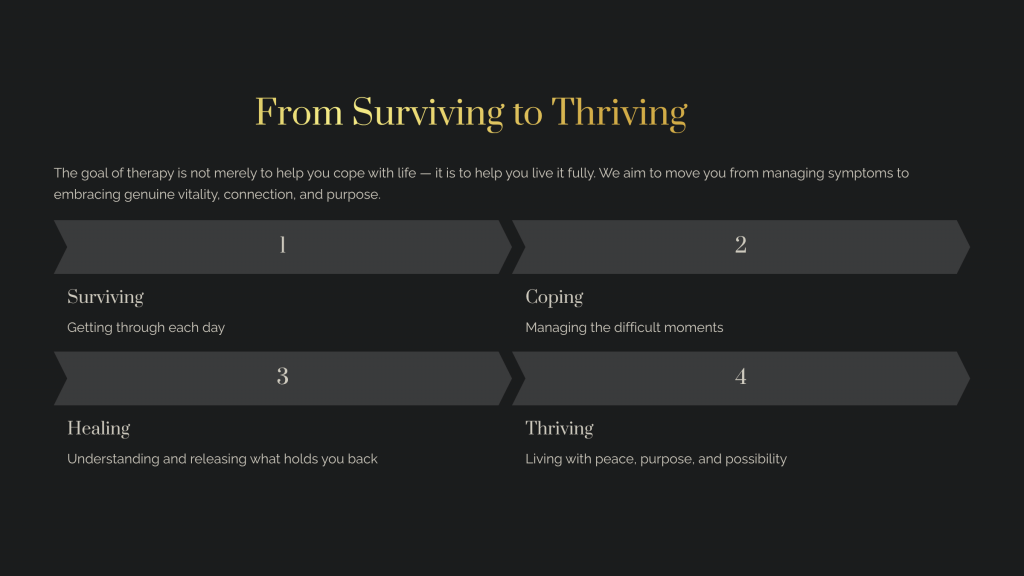
- Move from survival to connection, meaning, and choice
This holistic model supports deep, sustainable healing.
If coping strategies like alcohol, substances, or compulsive behaviours have become part of how you manage trauma, my Addiction Therapy Page explains how we can explore these patterns safely and without judgement.
What to Expect in PTSD & Trauma Therapy
Every person’s trauma is unique, so our work is tailored to your pace and needs. Sessions may include:
- Somatic tracking and grounding
- Exploring emotions safely and gradually
- Understanding triggers and nervous‑system patterns
- Working with protective parts of the self
- Mindfulness‑based approaches
- Psychoeducation about trauma and the nervous system
- Developing tools for regulation and resilience
You will never be pushed to revisit traumatic memories before you are ready. Safety, collaboration, and choice guide every session.
Who I Work With
This approach is suitable for people who have experienced:
- Childhood trauma or neglect
- Relationship or attachment trauma
- Emotional, physical, or sexual abuse
- Medical or birth trauma
- Accidents, violence, or sudden loss
- Chronic stress or burnout
- PTSD or complex PTSD
You do not need a diagnosis to seek support. Many people come simply because they feel overwhelmed, disconnected, or stuck.
If you’re exploring different types of support, you can also visit my Main Services Page to see the full range of therapy options available.
Begin Your Trauma Therapy Journey
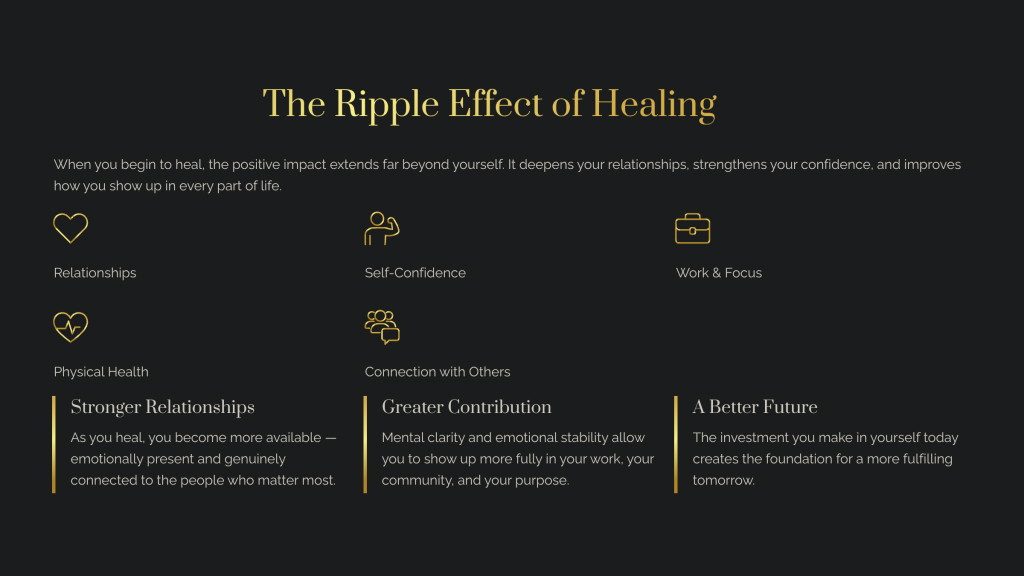
Trauma can make you feel fragmented, disconnected, or lost. Therapy offers a space to reconnect with yourself, restore safety, and rebuild trust in your body and mind.
If you’re ready to explore whether this approach feels right for you, I’m here to help.
If you’re based in Bedford or the surrounding areas, my Counselling in Bedford page explains how I support local clients.
Prefer to work online? I also offer secure, trauma‑informed online counselling for clients across the UK. If you’d like to understand how online sessions work and whether they may suit your needs, you can read more on my Online Therapy page.
Further reading on trauma and the body.
For more services, head back to my main Services Page where you can explore the full range of support I offer.
Frequently Asked Questions About PTSD & Trauma Therapy in Bedford
- Do you offer PTSD and trauma therapy in Bedford?
- Yes. I provide PTSD and trauma therapy for clients in Bedford and the surrounding areas, including Kempston, Brickhill, Goldington, Clapham, Elstow, and Biddenham. Sessions take place in a calm, private therapeutic space designed to support safety and regulation.
- Can I access trauma therapy online if I don’t live in Bedford?
- Absolutely. I work with clients across the UK via secure online sessions. Many people find online trauma therapy just as effective as in‑person work, especially when using somatic and trauma‑informed approaches.
- What types of trauma do you support in your Bedford practice?
- I work with a wide range of trauma presentations, including childhood trauma, attachment trauma, emotional and physical abuse, sexual trauma, medical trauma, birth trauma, accidents, violence, and complex PTSD. You don’t need a diagnosis to begin therapy.
- How does somatic trauma therapy help people in Bedford with PTSD?
- Somatic trauma therapy helps regulate the nervous system by working directly with bodily sensations, tension patterns, and survival responses. This approach is especially helpful for clients who feel stuck in fight‑or‑flight, dissociation, or chronic overwhelm.
- What is the difference between your bottom‑up and top‑down trauma therapy approaches?
- Bottom‑up therapy focuses on the body—sensations, breath, grounding, and nervous‑system regulation.
- Top‑down therapy works with thoughts, emotions, beliefs, and meaning‑making.
- Together, they create a holistic, mind‑body approach that supports deep, sustainable healing.
- How long does trauma therapy usually take?
- There is no fixed timeline. Some clients in Bedford benefit from short‑term work, while others choose longer‑term therapy to explore deeper patterns. We move at a pace that feels safe and manageable for your system.
- Will I need to talk about my trauma in detail?
- No. You will never be pushed to revisit traumatic memories before you feel ready. Many clients heal through regulation, resourcing, and integration without ever describing the event in detail.
- Is your Bedford therapy space suitable for trauma work?
- Yes. My therapy room in Bedford is intentionally designed to feel calm, grounded, and emotionally safe. The environment supports somatic work, nervous‑system regulation, and deeper therapeutic exploration.
- How do I know if trauma therapy is right for me?
- If you feel overwhelmed, disconnected, stuck in survival mode, or affected by past experiences, trauma therapy may help. A consultation can give you a sense of whether my approach feels supportive and aligned with your needs.
- How do I start PTSD or trauma therapy in Bedford?
- You can begin by reaching out for an initial consultation. This gives us space to explore your needs, discuss how I work, and see whether this approach feels like the right fit for you.
Our Approach
Explore our personalised counselling process designed to support your healing journey from trauma and PTSD.

Step One: Personalized Assessment
Begin with a confidential consultation to understand your experiences and tailor the support to your needs.

Step Two: Therapeutic Support
Engage in evidence-based psychodynamic and person-centred sessions to foster emotional resilience and recovery.

Step Three: Ongoing Growth
Continue building strength and coping skills with ongoing support, whether in Bedford or through online counselling.
Useful Links
- Bedford and Mid-Bedfordshire Crisis Team | East London NHS Foundation Trust
- Samaritans | Every life lost to suicide is a tragedy | Here to listen
Home